Blogs / What Does a Custom AI Ecosystem Look Like for Modern Digital Platforms?
What Does a Custom AI Ecosystem Look Like for Modern Digital Platforms?
Klyra AI / December 22, 2025
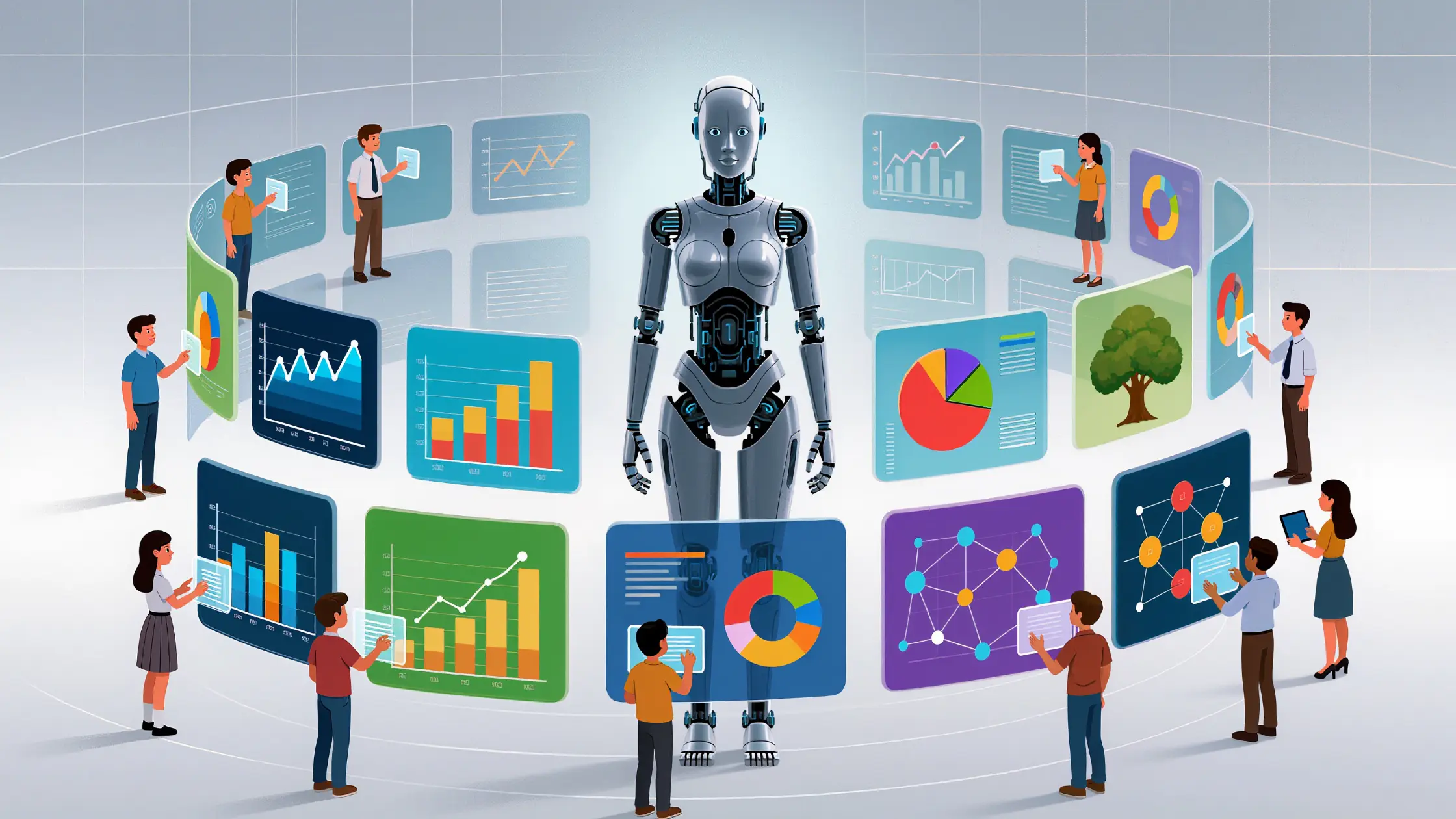
Modern digital platforms depend heavily on connected AI systems to handle large workloads and support daily operations. A custom AI ecosystem gives them a systematic way to automate tasks, improve responses, and personalize interactions for every user. With several AI components working together, a platform can produce content, study user activity, and support creative projects without delay.
This setup is important for businesses that want to grow while maintaining steady performance. Klyra AI shows how connected models and tools simplify work for creators, marketers, and teams that manage content every day.
What Does a Custom AI Ecosystem Look Like for Modern Digital Platforms?
A custom AI ecosystem is made up of several connected parts that operate as a single system. It includes core models, data pipelines, automation layers, and user-facing tools. These components analyze information, perform tasks, and support the platform’s daily activities.
When these parts work together, platforms can automate repetitive processes, provide relevant suggestions, and support fast decision-making across features. This structure helps digital teams work more efficiently and gives users a smooth experience across every interaction.
Core AI Models Powering the Platform’s Intelligence
AI models form the foundation of a digital platform’s intelligence. Each model handles a specific type of information and supports different interactions. Language models manage text creation and analysis, while vision models handle image generation and visual understanding.
Recommendation models analyze user behavior and predict what users may need next. When combined, these models help the platform respond quickly and deliver accurate outputs. Klyra AI uses multiple models to support writing, image generation, and audio production for creators and businesses.
Using language, vision, and recommendation models for different functions
Language models support tasks such as writing blogs, answering questions, and planning content. Vision models help create images, edit visuals, or analyze generated outputs. Recommendation models study user activity and suggest templates, tools, or topics based on interests.
Each model supports a specific part of the workflow. When combined, they allow users to create videos, voiceovers, or images easily without technical expertise.
Combining multiple AI capabilities to support complex workflows
Some workflows require multiple AI models to work together. A script may be created by a language model, passed to a voice model for narration, and then sent to a video model for visual production.
This connected workflow allows complex tasks to be completed with minimal user input. Klyra AI applies this approach to help users create videos, audio, images, and music efficiently, producing predictable results in less time.
Centralized Data Infrastructure for Training and Personalization
A centralized data structure supports the entire AI ecosystem. It collects user activity data and organizes it for training and personalization. This system helps AI models stay updated and respond accurately during daily use.
Centralized data storage makes it easier to analyze patterns and improve outputs. The platform can adjust suggestions, refine tools, and deliver more relevant results for each user.
Collecting and structuring user data for model improvement
User data comes from searches, uploads, clicks, and interactions across the platform. This data must be structured before models can analyze it effectively.
When organized properly, data helps models produce better text, clearer images, and more accurate predictions. Klyra AI uses structured data to improve writing tools, image features, and voice models, supporting continuous improvement.
Ensuring data flows across all AI components
Data must move smoothly between components of the AI ecosystem. Consistent data flow ensures every system receives the information needed to function correctly.
In Klyra AI, smooth data movement supports writing tools, image generation, voice features, and scheduling systems. This ensures accuracy, fast responses, and scalability during high activity periods.
Automation and Orchestration Layers for Smooth Operations
Automation layers manage how tasks move through the AI ecosystem. They reduce manual input by controlling repeated processes and connecting AI models with backend systems.
Orchestration systems determine which model handles each step and when the next process begins. This structure supports large workloads and helps users complete projects efficiently.
Coordinating tasks across AI models and backend systems
Many platform tasks require multiple connected steps. Automation systems pass tasks from one model to another to maintain workflow continuity.
Klyra AI uses orchestration to coordinate writing, voice, and video tools, reducing manual work and speeding up production for users managing multiple projects.
Triggering automated actions based on user behavior or events
Certain actions occur automatically based on user behavior. Chatbots respond to questions, templates appear when new projects start, and recommendations adjust in real time.
Klyra AI uses automation to recommend tools, schedule posts, and guide users efficiently, helping them access relevant features faster.
User-Facing AI Tools That Enhance Platform Experience
User-facing tools allow people to interact directly with AI systems. These include chatbots, text generators, visual editors, video tools, and audio engines.
Klyra AI provides these tools so users can create professional content and manage projects without technical knowledge.
Chatbots, recommendations, and dynamic content generation
Chatbots help users understand features and complete tasks. Recommendation systems suggest tools and templates based on usage. Dynamic generators create text, images, or audio quickly.
These tools guide users through writing, image creation, video production, and voice tasks, improving productivity for both beginners and advanced users.
Personalizing interactions at scale using real-time insights
AI systems analyze user behavior in real time and adjust responses accordingly. This helps deliver personalized suggestions that match user preferences.
Klyra AI uses this approach to tailor blog topics, design options, and audio tools. Real-time personalization improves workflow speed and user satisfaction.
Governance, Monitoring, and Continuous Optimization
Monitoring and governance systems maintain long-term platform stability. They track model behavior, identify errors, and ensure reliable performance.
Continuous monitoring allows platforms to adapt to growth and changing user demands, keeping the ecosystem dependable.
Tracking model performance and mitigating risks
Monitoring systems evaluate AI outputs to detect inaccuracies and performance issues. This prevents problems from spreading across the platform.
Klyra AI tracks text quality, image accuracy, and voice clarity to ensure steady performance and reliability.
Updating models and workflows to match changing needs
AI systems require regular updates as user needs evolve. New data improves accuracy, while workflow updates support new features and content types.
These updates help expand writing tools, video features, and audio capabilities, keeping the ecosystem relevant for content-driven teams.
Conclusion
A custom AI ecosystem connects models, data infrastructure, automation layers, and user tools into a unified system. Together, they help digital platforms operate efficiently and manage large workloads.
This approach reduces manual effort, improves production speed, and supports creators, teams, and businesses. Klyra AI uses this structure to help users complete content projects faster with less complexity.