Blogs / How AI Voice Cloning Is Transforming Media Production in 2026
How AI Voice Cloning Is Transforming Media Production in 2026
Klyra AI / December 5, 2025
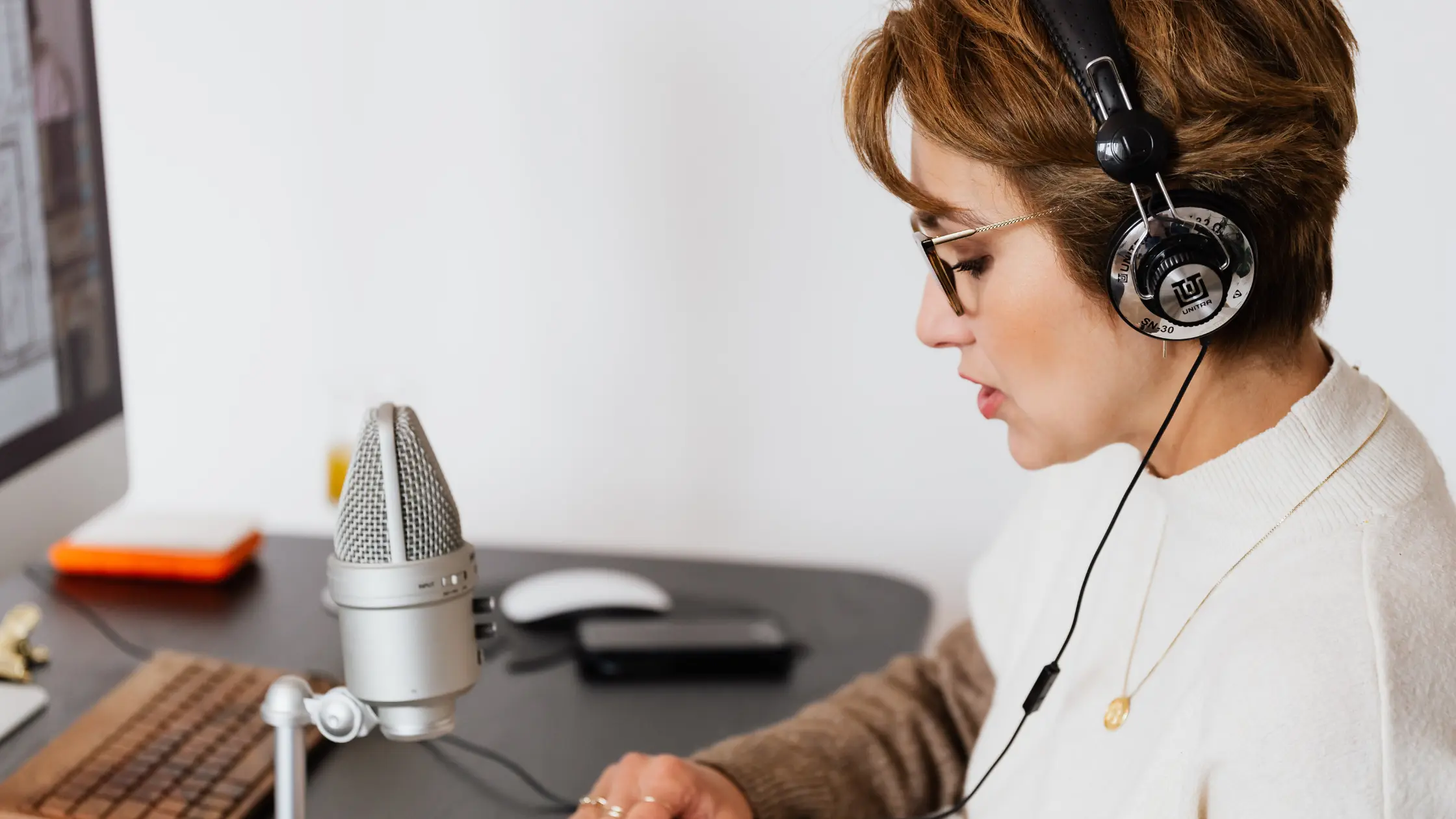
How AI Voice Cloning Is Transforming Media Production in 2026
Media production has evolved rapidly in the past few years. Recording studios, repeated takes, and long editing cycles are no longer the only way to produce professional narration.
Today, AI voice cloning allows creators to build a digital version of a voice and generate new audio instantly. This technology is transforming how videos, podcasts, training materials, games, and marketing campaigns are produced.
But how exactly is AI voice cloning changing media workflows, and how does it compare to tools like AI voiceover vs text to speech systems?
What Is AI Voice Cloning?
AI voice cloning creates a digital model of a specific voice. Once trained, the model can generate new speech in that voice by simply typing text.
Unlike general AI voiceover generators, which use pre-trained voices, voice cloning replicates a specific vocal identity. This allows brands, educators, and creators to maintain a consistent voice across projects without recording every line again.
You can explore how cloning integrates with production workflows using tools like AI Voice Cloning platforms.
High-Quality Voiceovers Without Repeated Recording
Traditional recording requires multiple takes, studio coordination, and post-production editing. Even minor script changes require rerecording.
With AI voice cloning:
- ✔ Record once, reuse indefinitely
- ✔ Update scripts instantly
- ✔ Generate alternate versions in seconds
- ✔ Maintain consistent vocal tone across projects
This dramatically reduces turnaround time for marketing campaigns, product updates, training modules, and app narration.
For creators deciding between cloned voices and standard narration tools, our Best AI Voiceover Generator comparison explains how multi-engine platforms differ from single-voice systems.
Consistency Across Long Projects
Human recordings vary depending on energy levels, environment, or time gaps between sessions. This creates inconsistencies in long-form content.
AI voice cloning ensures:
- ✔ Stable tone and pacing
- ✔ Consistent pronunciation
- ✔ Uniform brand voice across campaigns
For brands producing series-based content or eLearning libraries, this stability is critical.
Multilingual and Cross-Platform Adaptation
Modern media is distributed across YouTube, social platforms, mobile apps, games, and enterprise training systems.
AI voice cloning enables creators to:
- ✔ Localize content into multiple languages
- ✔ Maintain one recognizable voice identity
- ✔ Adapt tone based on platform needs
For example, a company may use one cloned voice for onboarding videos, customer support content, and app tutorials.
Streamlining Production Workflows
Traditional production workflows involve writing, recording, editing, noise cleanup, mixing, and revisions.
AI voice cloning simplifies this process:
- ✔ No mic inconsistencies
- ✔ No background noise issues
- ✔ No rebooking talent for revisions
- ✔ Instant iteration for creative testing
Teams can experiment with delivery variations such as energetic, calm, or instructional tones without scheduling new sessions.
AI Voice Cloning vs AI Voiceover
While related, these technologies serve different purposes.
- → AI Voiceover: Uses pre-trained expressive voices suitable for ads, YouTube, and narration.
- → AI Voice Cloning: Replicates a specific voice identity for brand continuity.
If you are comparing both options, read our detailed breakdown on AI voiceover vs text to speech tools to understand where cloning fits into the broader ecosystem.
Legal and Ethical Considerations
Consent Is Mandatory
The legality of voice cloning depends heavily on consent and ownership rights.
You may clone:
- → Your own voice
- → A voice you have explicit permission to use
- → A voice licensed under clear agreements
Cloning another person’s voice without permission may violate privacy, publicity, and intellectual property rights.
Transparency and Audience Trust
Although AI-generated voices can sound highly realistic, transparency helps maintain audience trust. Many brands disclose AI voice usage in training content or educational material.
Responsible use ensures this technology enhances production without misleading audiences.
When Should You Use AI Voice Cloning?
AI voice cloning is ideal for:
- ✔ Brand continuity across media
- ✔ Educational course libraries
- ✔ Gaming character voices
- ✔ Frequent script revisions
- ✔ Scalable multilingual production
For projects that prioritize expressive performance without replicating a specific identity, traditional AI voiceover generators may be more appropriate.
Conclusion
AI voice cloning is transforming media production by making narration faster, more consistent, and easier to scale.
While it does not fully replace human performance in every scenario, it dramatically reduces production time and increases flexibility for creators.
Used responsibly and ethically, AI voice cloning empowers teams to produce high-quality audio content across platforms without expanding budgets or timelines.