A Complete System for Strategic SEO Content Creation
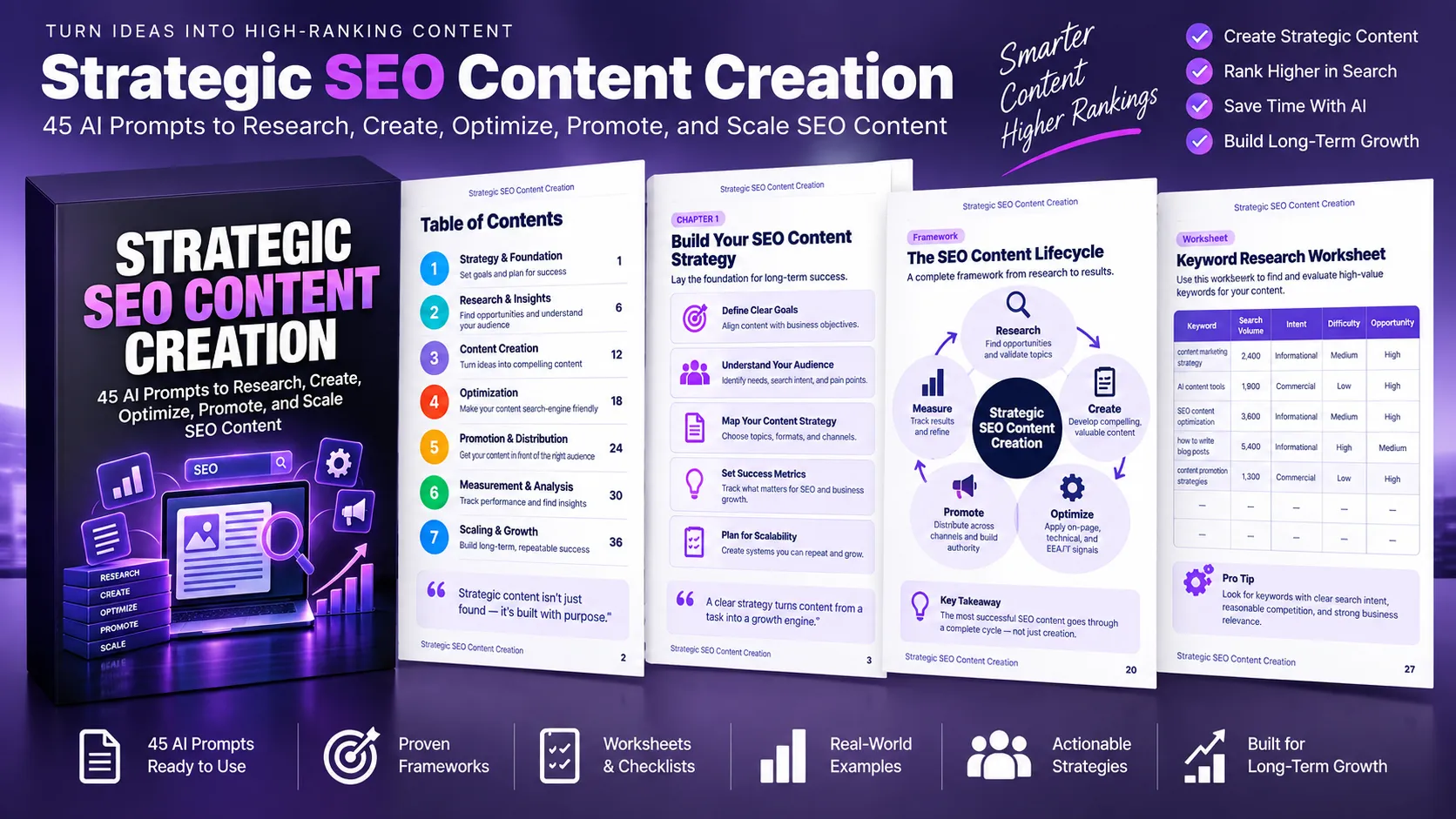
Strategic SEO Content Creation brings together 45 AI prompts designed to support the full lifecycle of creating search-focused content.
The prompts are organized to help you move from identifying valuable topics and keywords to creating structured content, optimizing important on-page elements, promoting published work, analyzing performance, and developing a more advanced SEO content strategy.
The resource emphasizes both sides of effective search content: satisfying search intent and creating content that is genuinely useful to human readers.
Find Rank-Worthy Topics and Keywords
The first stage focuses on discovering opportunities worth pursuing.
Audience Pain Point Analysis
Use audience research to identify the language and search queries people may use when looking for solutions to their problems. The prompt transforms audience pain points into potential seed keywords using verb-noun structures.
Competitor Topic Gap Analysis
Analyze competitors to identify content gaps, potential topics, primary keywords, search intent, and opportunities where existing content may not fully serve audience needs.
Search Intent Classification
Classify keywords according to informational, navigational, transactional, or commercial investigation intent, then determine the appropriate content format and approach.
SERP Feature Opportunity Finder
Identify search engine results page features such as featured snippets, People Also Ask results, and knowledge panels, then structure content around opportunities to potentially capture these features.
Keyword Difficulty Assessment
Evaluate keywords against the site's authority and competitive position to determine whether each opportunity should be pursued now, saved for later, or avoided.
Content Brief Template Creator
Create a comprehensive content brief containing the primary keyword, search intent, recommended word count, heading structure, required sources, internal linking opportunities, and success metrics.
Content Gap Scorecard Generator
Score potential topics based on search volume relative to the niche, difficulty, business value, content freshness opportunity, and SERP feature potential, then prioritize the strongest opportunities.
Create an Effective Content Structure
Once a topic has been selected, the next group of prompts helps build a strong article structure.
Strategic Heading Hierarchy
Create an H1-H4 hierarchy that aligns with search intent, incorporates secondary keywords naturally, follows a logical progression, and supports reader engagement.
Table of Contents Optimization
Design a useful table of contents for long-form content that improves navigation, supports skimming, and helps organize important sections.
Introduction Formulas
Create alternative introductions using Problem-Agitate-Solve, story-based hooks, or startling statistics while keeping the target keyword natural and signaling relevance.
Section Transitions
Generate transitions that connect major sections, maintain thematic relevance, and guide readers logically through the article.
Content Pattern Interrupts
Introduce elements such as callout boxes, interactive components, and visual suggestions to reset reader attention throughout longer articles.
Skimmable Content Formatting
Transform dense sections into more digestible online content using shorter paragraphs, subheadings, bullet points, and highlighted key ideas while preserving the original information.
Write Engaging Content That Ranks
The writing prompts focus on balancing SEO requirements with reader experience.
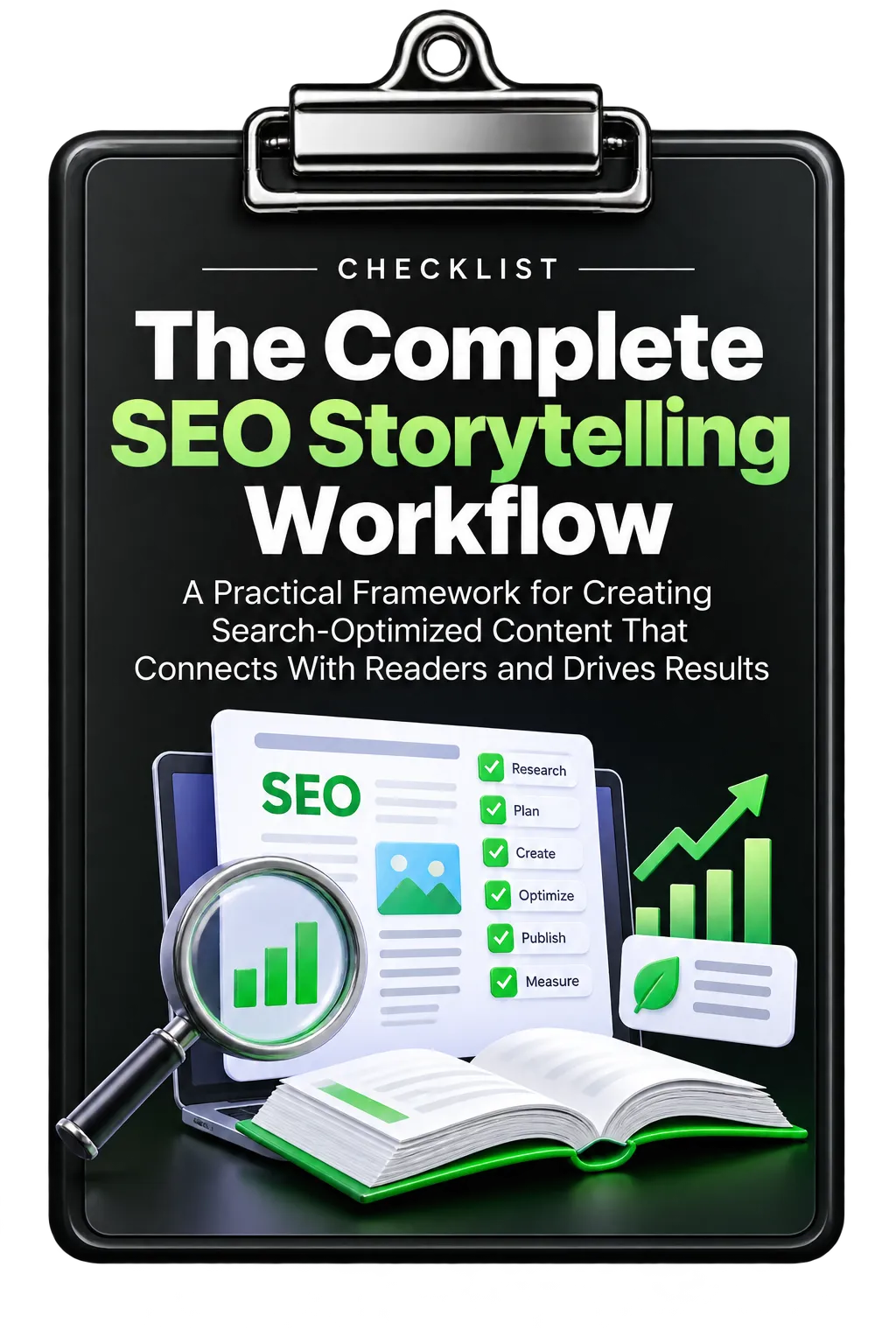
Storytelling Framework Selection
Select an appropriate storytelling framework based on the topic, search intent, and audience needs. Available frameworks include PAS, Before-After-Bridge, Hero's Journey, Inverted Pyramid, and Data-Story-Insight-Action.
Reader Persona Voice Matching
Create content in different voice styles based on audience demographics, experience level, preferences, and the complexity of the topic.
Readability Enhancement
Improve online readability while maintaining SEO value by using active voice, shorter sentences, clearer hierarchy, and more digestible content organization.
Semantic Keyword Enrichment
Identify semantically related terms, entities, and concepts that can naturally expand topic coverage and help demonstrate comprehensive understanding of the subject.
E-E-A-T Signal Enhancement
Strengthen Experience, Expertise, Authoritativeness, and Trustworthiness by identifying opportunities for credible sources, subject-matter expertise, trust signals, and firsthand experience.
Featured Snippet Optimization
Structure content specifically around potential featured snippet opportunities, including recommendations for formatting, word count, structure, and content elements.
FAQ Section Generation
Use relevant People Also Ask questions to develop concise FAQ content and recommendations for appropriate schema markup.
Optimize On-Page SEO Elements
The resource then moves from content creation into on-page optimization.
Title Tags and Meta Descriptions
Create multiple title tag and meta description combinations with keyword relevance, compelling click triggers, clear value propositions, and calls to action.
URL Structure
Generate SEO-friendly URL options that maintain keyword relevance while remaining clear and useful to visitors.
Image Optimization
Develop an image optimization plan covering the number and type of visuals, file naming, alt text, captions, and image placement.
Schema Markup
Identify appropriate schema types and generate JSON-LD implementation recommendations for relevant content.
Internal Linking
Develop an internal linking strategy that identifies relevant existing pages, appropriate anchor text variations, and pages the new content should link to. The objective is to strengthen topical clusters and distribute link equity effectively.
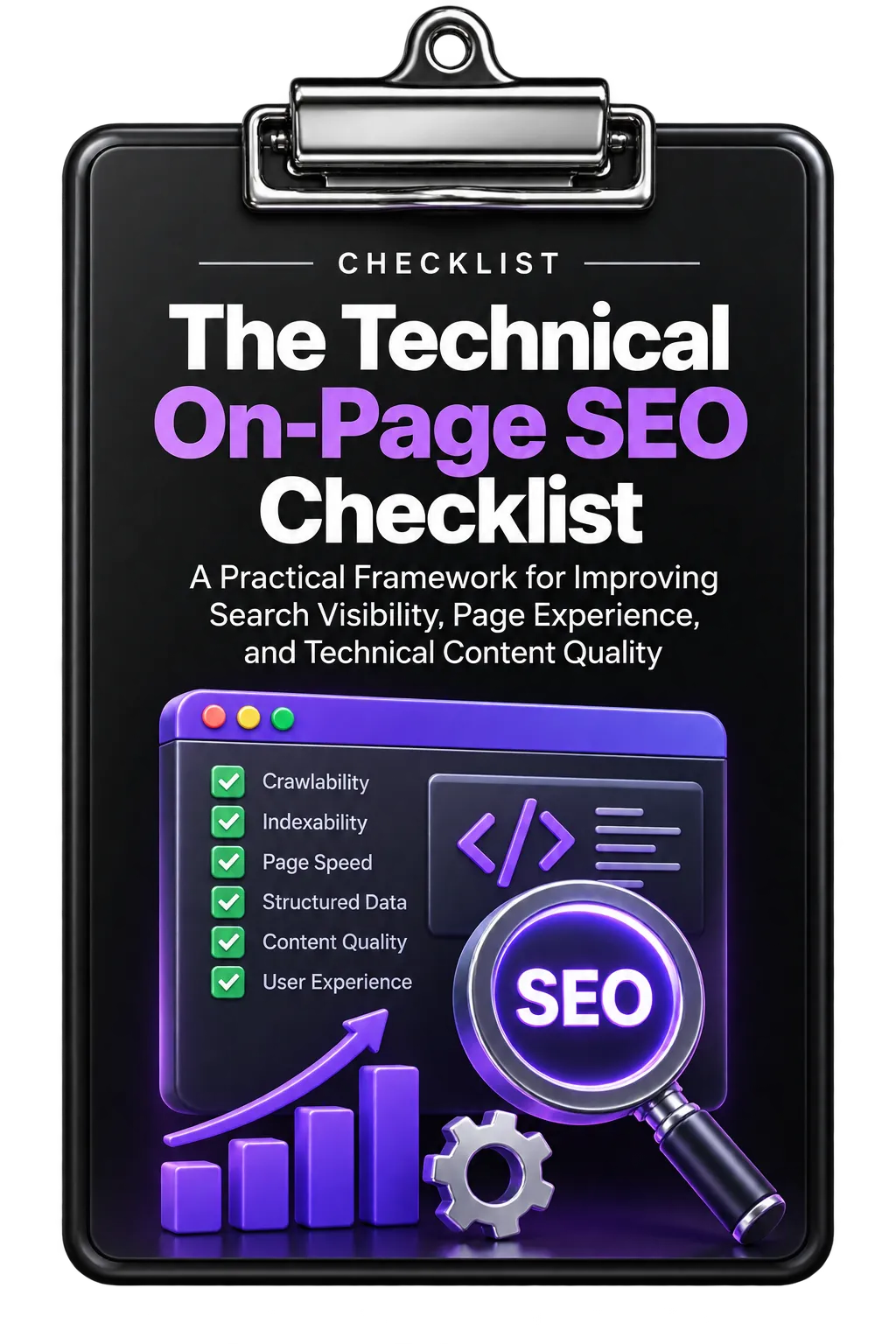
Core Web Vitals
Optimize content performance around Largest Contentful Paint, Interaction to Next Paint, and Cumulative Layout Shift, prioritizing improvements according to potential impact and implementation difficulty.
Mobile Optimization
Audit responsive design, navigation, content prioritization, typography, readability, and other mobile-specific user experience factors.
Promote Content and Build Links
SEO content does not stop at publishing. The promotion section provides prompts for extending the reach and authority of published content.
Content Promotion Calendar
Create a 30-day promotion plan spanning owned media, social channels, email, community engagement, and outreach while avoiding repetitive or spammy communication.
Content Repurposing
Transform a blog post into at least 10 different content formats, identifying which sections should be adapted for each format and how the messaging should change across platforms.
Link Building Outreach
Create personalized outreach templates for different link-building scenarios, including resource pages, broken links, expert contributions, statistical references, and complementary content.
Semantic Proximity Link Prospecting
Identify closely related topical areas that could provide relevant link opportunities and develop search operators and value propositions for outreach.
Broken Link Building
Build a repeatable process for finding broken-link opportunities, filtering prospects, prioritizing targets, organizing opportunities, and deciding which prospects to pursue.
Social Share CTR Optimization
Create platform-specific social promotion templates with headline variations, descriptions, hashtag recommendations, and visual suggestions designed to encourage clicks.
Measure Content Performance and Iterate
The next stage focuses on turning performance data into actionable improvements.
Content Performance Dashboard
Design a dashboard for monitoring content performance, including essential metrics, data sources, tracking frequency, KPIs, and interpretation of metric combinations.
Content Decay Detection
Identify declining content using defined metrics and thresholds, then determine whether individual pages should be updated, merged, or redirected.
Quarterly Content Refresh
Develop a systematic refresh process covering content audits, update selection criteria, statistics, examples, internal links, and measurement of the impact of changes.
Content Consolidation
Identify opportunities to merge overlapping content, select the primary URL, preserve valuable information, and implement redirects while maintaining SEO value.
User Behavior Insights
Analyze analytics, heatmaps, and scroll-depth patterns to identify content issues and connect user behavior signals with search performance.
A/B Testing
Design structured experiments for headlines, introductions, formats, calls to action, and internal linking. Each test should include a hypothesis, variables, metrics, sample requirements, and implementation considerations.
Content Team Workflow
Map the content process from research through promotion, assign responsibilities, define deliverables and quality checkpoints, select appropriate tools, and identify important transitions between team members.
Build an Advanced SEO Content Strategy
The final group of prompts extends the system beyond individual articles into broader SEO strategy.
Pillar-Cluster Content Strategy
Develop a pillar-cluster architecture with multiple pillar pieces and supporting cluster content, connected through strategic internal linking to establish topical authority.
Competitor Content Teardown
Analyze high-performing competitor content across structure, word count, headings, keyword usage, media, internal links, and engagement features, then identify opportunities to provide superior value and user experience.
Search Algorithm Update Response
Create a structured response process for identifying content affected by major search algorithm updates, analyzing patterns, prioritizing fixes, and documenting before-and-after performance.
Content-Driven Lead Generation
Optimize content for qualified lead generation through strategic calls to action, content upgrades, progressive engagement elements, and conversion opportunities that do not disrupt the reader experience.
Multi-Intent Content Strategy
When a keyword represents multiple search intents, determine whether a single comprehensive piece or multiple content pieces would best satisfy those needs, then structure content, formatting, and internal links accordingly.
How to Use the Prompts
The resource recommends starting with the desired outcome. Before using a prompt, define whether the goal is ranking for keywords, increasing engagement, generating leads, or establishing thought leadership.
The prompts are designed to follow a sequential content lifecycle: research, structure, writing, optimization, promotion, and performance analysis.
For better results, customize the placeholders with specific information about your audience, industry, competitors, and content goals.
Related prompts can also be combined into workflows. For example, audience pain-point research can feed into a content brief, which can then feed into a heading hierarchy and subsequent writing and optimization stages.
Finally, performance data should inform future content decisions. The resource encourages returning to earlier prompts and refining the process based on real-world results.
The SEO Content Flywheel
The resource proposes a continuous content flywheel organized into four stages.
- Research Phase: Identify topics, assess opportunities, and create content briefs.
- Creation Phase: Develop structure, write content, and optimize on-page elements.
- Promotion Phase: Promote published content and begin monitoring performance.
- Analysis and Iteration: Analyze results, refresh content, and use insights to inform the next cycle.
The document recommends using Prompts 1-7 during research, Prompts 8-20 during creation, Prompts 21-27 for on-page optimization, Prompts 28-33 for promotion, and Prompts 34-39 for performance analysis. The advanced strategy prompts then extend the system beyond this core workflow.
Measure Success
The resource recommends measuring success at each stage of the content lifecycle.
- Research Success: Track ranking improvements for targeted keywords within 90 days.
- Structure Success: Monitor engagement indicators such as time on page, scroll depth, and bounce rate.
- Writing Success: Track social shares, comments, and backlinks.
- Optimization Success: Monitor Core Web Vitals and technical SEO audits.
- Promotion Success: Measure referral traffic, social engagement, and earned backlinks.
- Overall Performance: Track organic traffic, conversions, and revenue attribution.
These measurements create a feedback loop that helps determine what is working and where the content process should be improved.
Long-Term SEO Growth
SEO results require patience and iteration. The resource recommends committing to the process for at least three months before evaluating its effectiveness and continuing to refine the approach using performance data.